
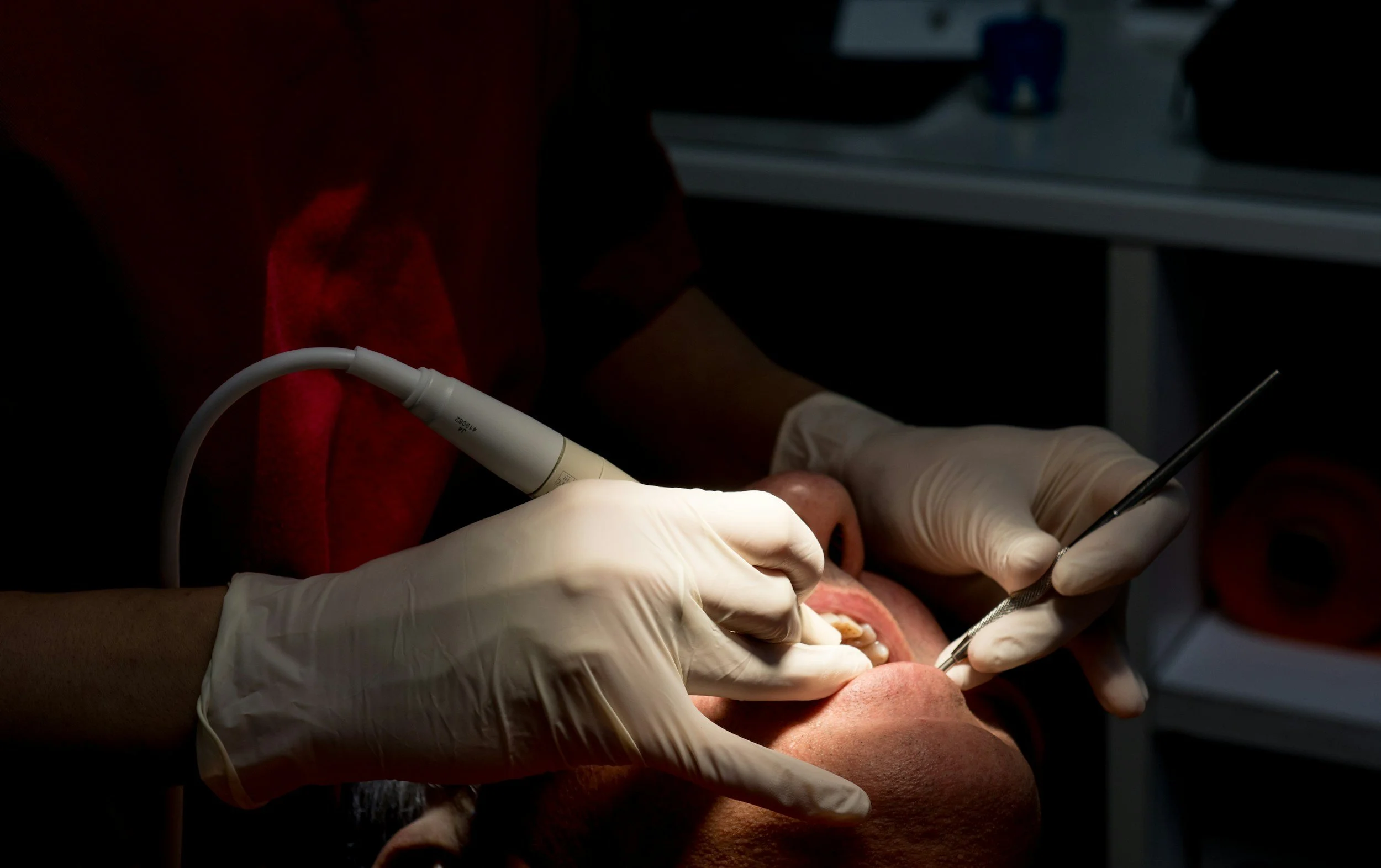
The Difference Between Filling a Shift and Protecting a Practice
Filling a shift keeps the schedule moving. Protecting a practice preserves trust, continuity, and the conversations that shape future care.
Why how coverage is handled matters more than most people realize.
Stepping Back Into a Familiar Practice
This week, I stepped back into the first practice I ever owned.
Same operatories. Same flow. Same kind of patients. Different role.
I wasn’t the owner or long-term doctor anymore. I was there to provide temporary coverage. And almost immediately, I was reminded of something that doesn’t get talked about enough in dentistry.
The Quiet Temptation of “Easy” Coverage
When you’re working as a temp, there’s an unspoken temptation to take the easy road.
It would be easy to:
Avoid harder diagnostic conversations
Skip over findings that won’t be treated today
Leave future decisions for the returning doctor
Not out of laziness or lack of care.
But out of politeness. Out of caution. Out of not wanting to overstep. Sometimes it feels simpler to just get through the day, keep things moving, and stay in your lane.
The Truth About Deferred Diagnosis
Here’s the reality most of us know but rarely say out loud:
When diagnosis is delayed, it doesn’t disappear.
It just becomes someone else’s harder conversation later.
Patients may feel blindsided when a returning doctor brings something up that “wasn’t mentioned before.” Teams are left to explain gaps, and trust has to be rebuilt rather than reinforced.
And none of that is fair to the patient or the dentist returning to their practice.
What Protecting a Practice Actually Looks Like
Protecting a practice isn’t about doing everything today.
It’s about:
Educating patients clearly and calmly
Documenting thoughtfully
Being mindful of future appointments and treatment sequencing
Speaking in a way that supports the returning doctor’s plan of care
It’s about continuity. You’re not selling treatment. You’re preserving clarity and trust.
Patients Feel the Difference
Patients can sense when something is being avoided.
They may not know the clinical details, but they know when a conversation feels incomplete. And, they deserve honest education, even if treatment happens later.
Clear, respectful communication builds confidence even when the doctor is temporary. That confidence carries forward.
Filling a Shift vs. Protecting a Practice
Filling a shift keeps the schedule moving.
Protecting a practice keeps the foundation intact.
Temporary support should never create long-term cleanup.
The real value of coverage isn’t just showing up — it’s stewarding what comes next.
A Quiet Standard
When a dentist steps away, they’re trusting someone with more than a calendar.
They’re trusting their patients. Their team. And the conversations that shape future care.
That’s the standard I hold myself to every time I step into an office. Temporary support should feel seamless for patients, teams, and the dentist who returns.
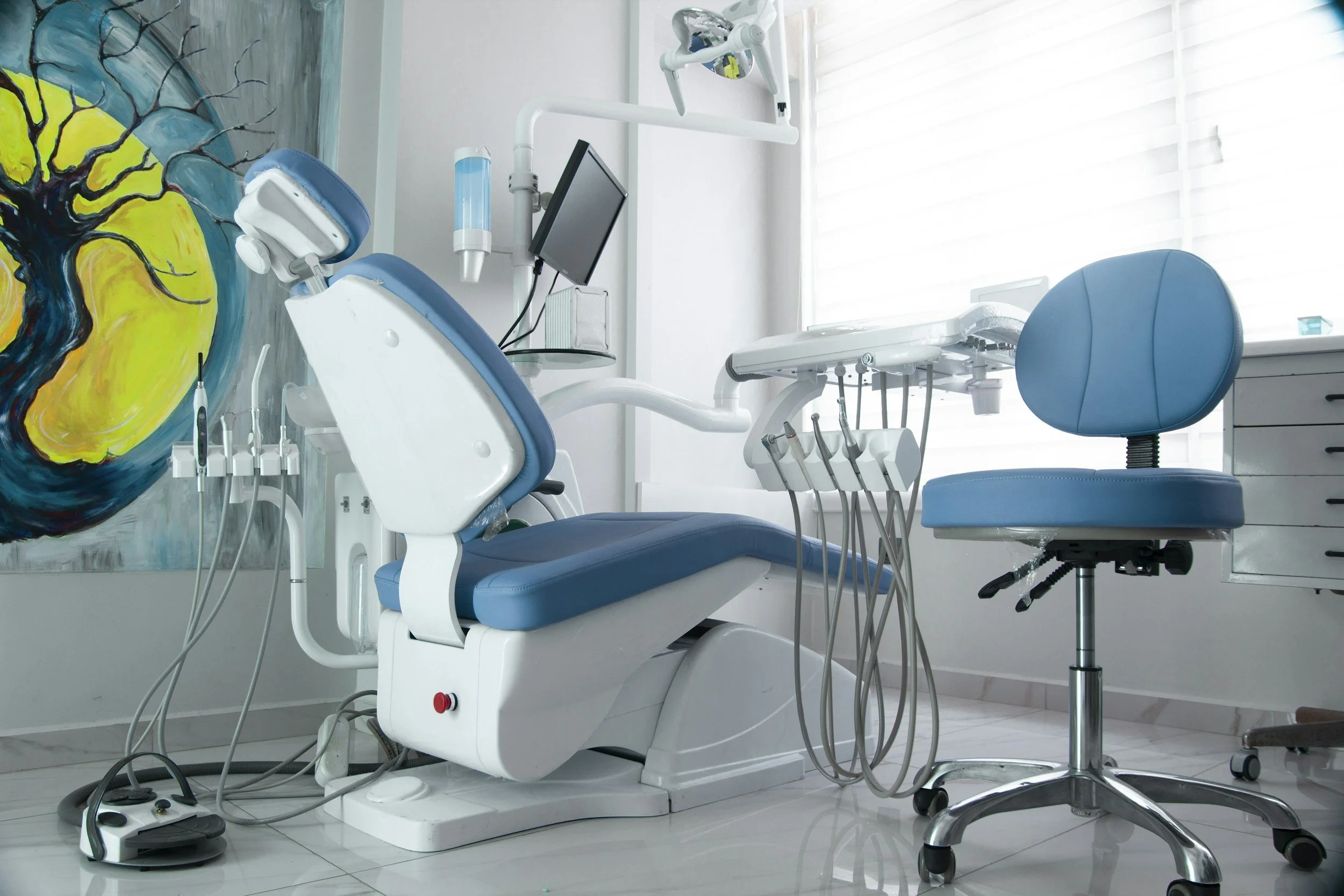
The Hidden Complexity of Modern Dentistry and Why the Right Coverage Matters
Modern dentistry is more complex than it appears. Behind every appointment is a balance of advanced technology, clinical judgment, leadership, and responsibility. As the profession evolves, stepping away from the office requires thoughtful coverage that protects patients, teams, and continuity of care.
Modern dentistry looks simple from the outside. A cleaning. A crown. A filling. Patients often see the outcome, but not the layered clinical judgment, technology, and preparation required to make that outcome possible.
Today’s dentistry is highly technical, deeply precise, and mentally demanding. And as the profession has evolved, stepping away from the office—whether for continuing education, personal time, or family commitments—requires just as much planning and intention.
This isn’t a complaint. It’s respect for the profession and the responsibility it carries.
Modern Dentistry Is More Complex Than Ever
Dentistry today goes far beyond clinical technique. Dentists now rely on advanced diagnostics, digital imaging, evolving materials, and precision-driven technology to deliver high-quality care.
At the same time, dentistry still requires exceptional hand skills, adaptability, and sound clinical judgment. No two cases are the same, and somebody must make decisions carefully and efficiently in real time.
To stay current, dentists commit to ongoing education and training while balancing patient care, leadership, and business ownership. The complexity of modern dentistry has raised expectations—and rightly so—but it has also increased the mental and professional demands placed on dentists.
The Hidden Mental and Emotional Load of Dentistry
Much of a dentist’s responsibility happens outside the operatory.
Dentists manage risk, oversee teams, maintain patient trust, and often run businesses. They carry responsibility for outcomes that directly affect health, confidence, and quality of life. Decision-making doesn’t end when the appointment does.
This invisible load is a major reason why time away from the practice can feel difficult. Dentistry requires focus, consistency, and presence—and stepping away without the right support can feel more stressful than staying.
Why Many Dentists Hesitate to Take Time Off
Despite the need for rest and professional growth, many dentists delay stepping away.
Concerns about patient continuity, team disruption, and the quality of temporary dental coverage often hold them back. Too often, coverage is viewed as simply filling the schedule rather than protecting the standard of care.
When coverage feels misaligned, time away can create more work on the backend. As a result, vacations are postponed, continuing education becomes stressful, and life outside the office is compressed into limited space.
Wanting thoughtful dental coverage isn’t excessive. It’s a reflection of how seriously dentists take their responsibility.
Why Temporary Dental Coverage Requires Experience and Alignment
Temporary dental coverage is not interchangeable.
Effective coverage requires experience, adaptability, and respect for established systems—especially from someone who understands the realities of private practice.
When dental coverage aligns with the complexity of modern dentistry, it supports patients, protects teams, and preserves trust within the practice.
What Thoughtful Dental Coverage Makes Possible
When coverage is done well, everyone benefits.
Patients experience consistent, confident care. Teams feel supported rather than disrupted. Practice owners can step away knowing their standards are being upheld.
With the right coverage, time off becomes restorative rather than stressful. Continuing education becomes an investment, not a logistical challenge. Dentists return refreshed, focused, and ready to lead.
Thoughtful temporary dental coverage protects patients, supports teams, and preserves continuity of care.
Stepping Away From the Practice Is a Leadership Decision
Planning for coverage is not stepping away from responsibility. It is part of leadership.
Thoughtful coverage demonstrates foresight, professionalism, and respect for patients and teams. It acknowledges that dentistry is demanding and that sustaining excellence requires space for rest, learning, and personal life.
Stepping away with intention allows dentists to continue providing high-quality care over the long term.
Coverage That Reflects the Way You Practice
Dentistry today asks a great deal of those who practice it. The support surrounding that work should reflect the same level of care and professionalism.
When temporary dental coverage is aligned with the complexity of modern dentistry, it doesn’t feel like a compromise. It feels like continuity, trust, and stewardship—carried forward even when you’re not in the office.
If you’re planning ahead and want dental coverage that reflects how you practice, I’m always happy to talk.

Is Locum Coverage Worth It? A Practical ROI Walkthrough
When you own or manage a dental practice, time off can feel like a luxury you can’t afford. Vacations get postponed, CE courses stay on the back burner, and even family emergencies turn into logistical headaches. Why? Because stepping away often feels like it comes at too high a cost.
But here’s the truth: locum coverage isn’t just an expense. It’s an investment that protects your production, your team, and your peace of mind. Let’s walk through what that really looks like.
When you own or manage a dental practice, time off can feel like a luxury you can’t afford. Vacations get postponed, CE courses stay on the back burner, and even family emergencies turn into logistical headaches. Why? Because stepping away often feels like it comes at too high a cost.
But here’s the truth: locum coverage isn’t just an expense. It’s an investment that protects your production, your team, and your peace of mind. Let’s walk through what that really looks like.
The Real Cost of Time Away
Every day you close your doors, the meter is still running. Hygiene chairs go unfilled, patients get pushed weeks (or months) down the road, and your team scrambles to plug holes in the schedule. Beyond the numbers, the stress alone can weigh heavier than the benefits of the break.
Locum coverage changes that equation. Instead of production flat-lining while you’re gone, the practice keeps humming — and your patients are still cared for.
A Simple ROI Example
Let’s look at the math.
Average daily doctor production: $4,500
Average locum coverage fee: $1,000/day
Even if your locum dentist produces just 50% of your average day, that’s $2,250 in production — more than double the coverage fee.
Which means you’ve:
✔ Covered the cost of coverage
✔ Protected your team’s income
✔ Preserved your patient relationships
✔ Bought yourself peace of mind
Everything above that? Bonus.
Real-Life Scenarios

1. Vacation Without Guilt
You finally take that week at the beach. Instead of coming back to a broken schedule and financial dip, you return to a practice that’s steady — because your locum covered new patient exams, delivered same-day crowns, and kept cases moving forward.
2. Continuing Education That Pays for Itself
That advanced implant or clear aligner course you’ve been eyeing? With locum coverage, you can attend, knowing patients are cared for and production continues. In many cases, the new skills you bring back generate far more than the coverage cost.
3. Unexpected Leave
Illness, injury, or family needs happen. A locum dentist ensures your team doesn’t lose hours, patients don’t feel abandoned, and your practice doesn’t lose momentum.
Beyond the Numbers
Of course, the ROI isn’t only financial. The real return is knowing you can step away without everything unraveling. Your patients are supported, your team is steady, and you come back refreshed — not burned out or buried under stress.
That peace of mind? Priceless.

Ready to See Your Own ROI?
Curious how the numbers work out for your specific practice? Try our ROI Calculator — a quick, simple way to plug in your daily production and see the return for yourself.
And if this sparks bigger questions, let’s talk. I’d love to walk you through how Smile Support Co can keep what matters most… intact. 💙